

 ★ 7.1HD
321Movies: French films, from The Visitors, The Umbrellas of Cherbourg and Jean de Florette to The Spanish Apartment, Bye Bye Morons, Babysitting and Cyrano, My Love, and where to watch them
155 French films from 1961 to 2026, chosen for the whole household.
Movies
See all★ 7.1HD ★ 6.3HD
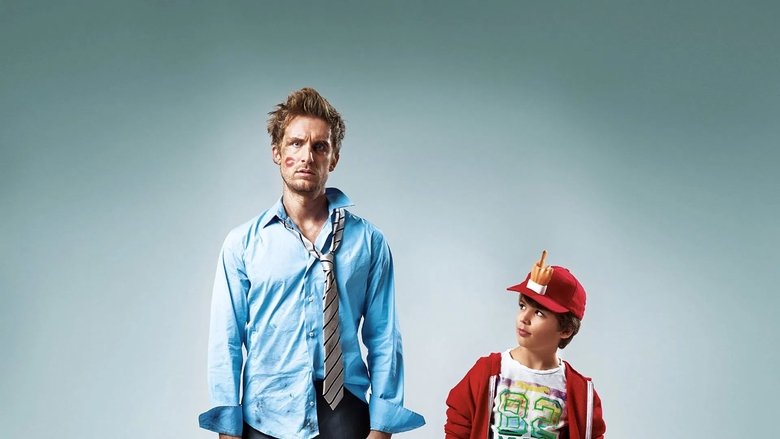
Babysitting 2
2015 ★ 5.9HD
Serial (Bad) Weddings 2
2019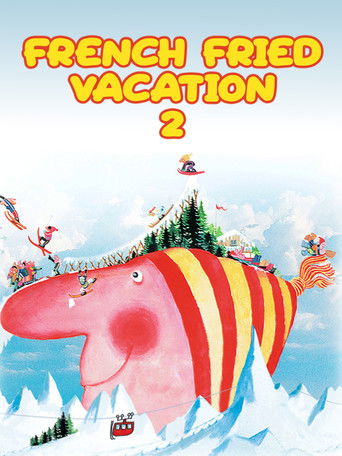 ★ 7.3HD
French Fried Vacation 2
1979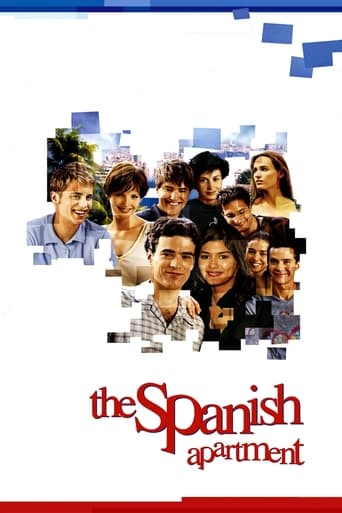 ★ 7.1HD
The Spanish Apartment
2002 ★ 5.5HD
Superchondriac
2014 ★ 6.2HD
Marry Me, Dude
2017 ★ 6.3HD
Samba
2014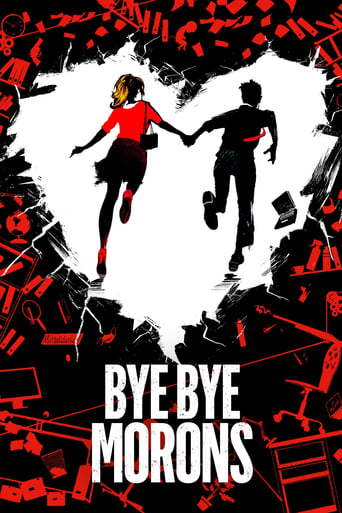 ★ 7.2HD
Bye Bye Morons
2020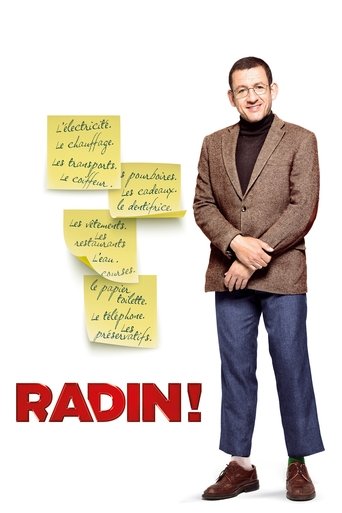 ★ 5.6HD
Penny Pincher!
2016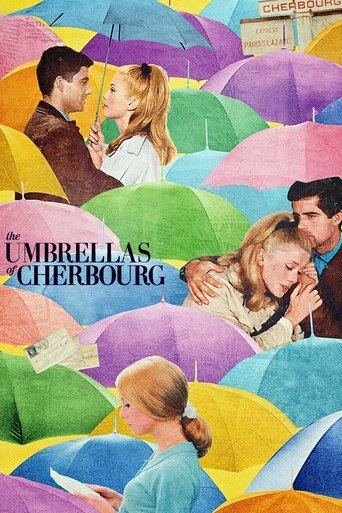 ★ 7.4HD
The Umbrellas of Cherbourg
1964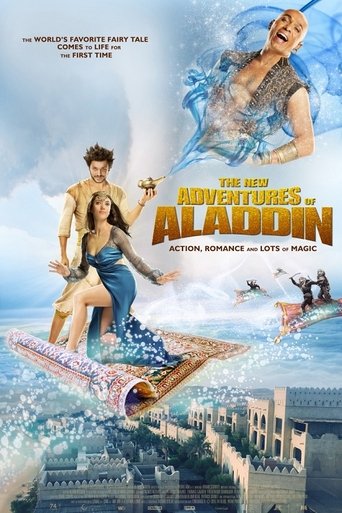 ★ 4.7HD
The New Adventures of Aladdin
2015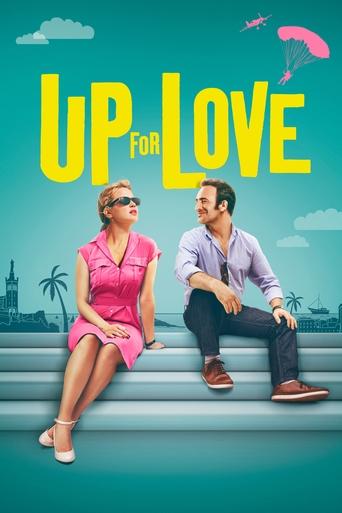 ★ 6.0HD
Up for Love
2016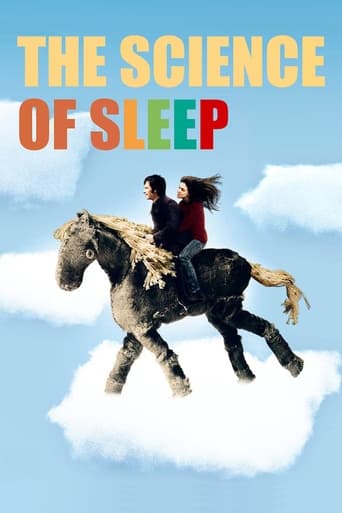 ★ 7.0HD
The Science of Sleep
2006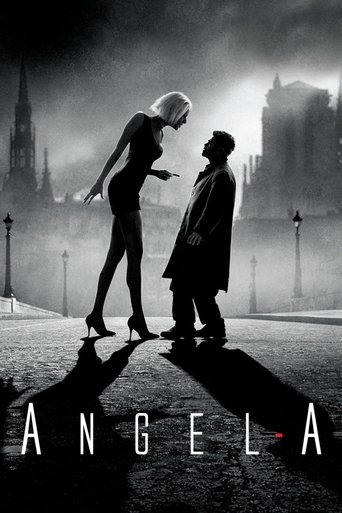 ★ 7.0HD
Angel-A
2005Newest
See all ★ 5.7HD
You+Me - Against the World
2026 ★ 6.5HD
A Woman's Life
2026 ★ 6.1HD
The Doll
2026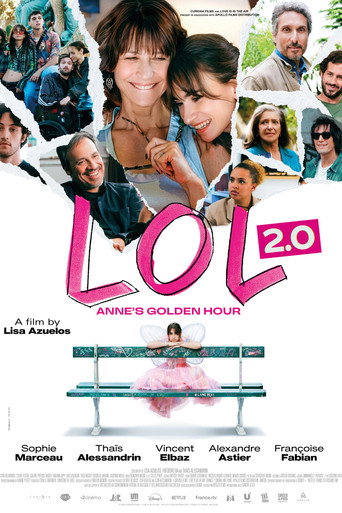 ★ 6.0HD
LOL 2.0: Anne’s Golden Hour
2026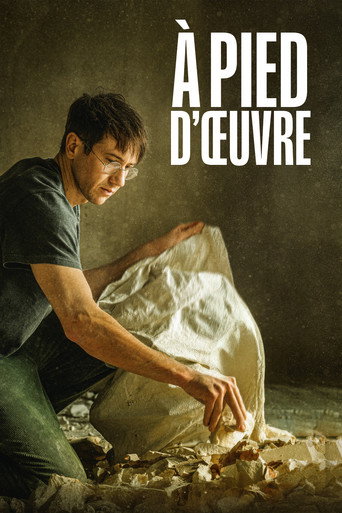 ★ 6.5HD
At Work
2026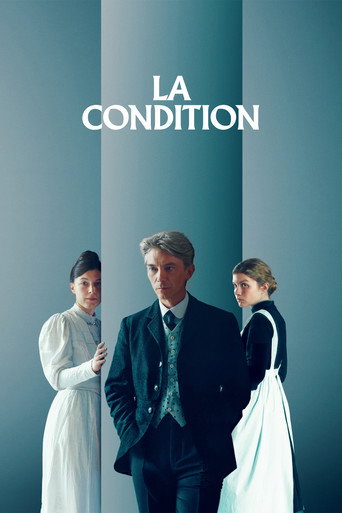 ★ 6.0HD
The Arrangement
2025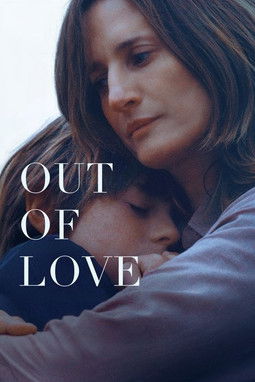 ★ 6.9HD
Out of Love
2025 ★ 5.5HD
Kika
2025 ★ 6.0HD
French Lover
2025 ★ 5.7HD
The Party's Over!
2025Comedy
See all ★ 6.4HD
Priceless
2006 ★ 5.8HD
Family Is Family
2018 ★ 6.6HD
Russian Dolls
2005 ★ 6.6HD
Chinese Puzzle
2013 ★ 6.4HD
Someone, Somewhere
2019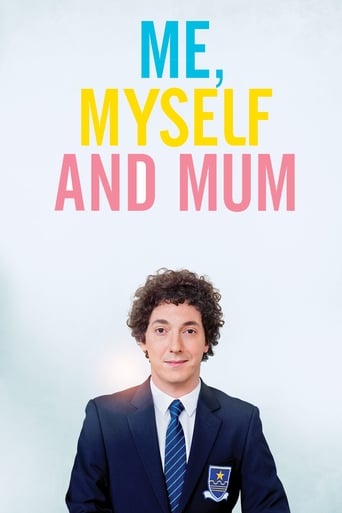 ★ 6.6HD
Me, Myself and Mum
2013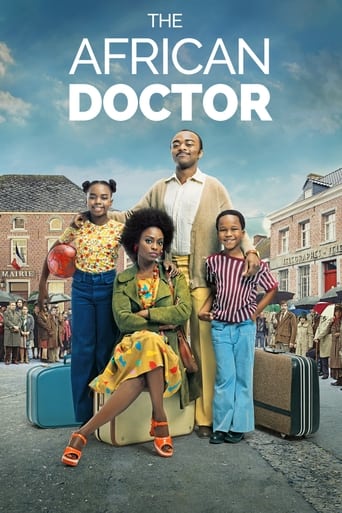 ★ 6.8HD
The African Doctor
2016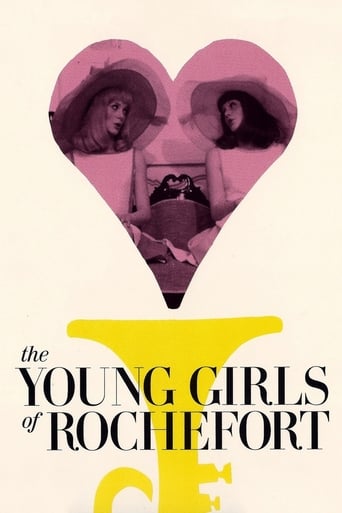 ★ 7.7HD
The Young Girls of Rochefort
1967 ★ 6.3HD
The Last Mercenary
2021 ★ 5.9HD
A Perfect Plan
2012Family
See all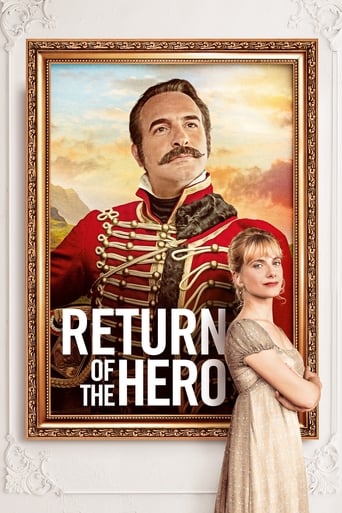
French cinema for the whole household: the 321Movies guide
321Movies: French films, from The Visitors, The Umbrellas of Cherbourg and Jean de Florette to The Spanish Apartment, Bye Bye Morons, Babysitting and Cyrano, My Love
France invented the cinema, and it has gone on loving it ever since. The French go to the pictures more often than any other people in Europe, their government treats film as an art to be protected, and their studios turn out some two hundred features a year. Abroad, French cinema has a reputation for seriousness. At home, the films that fill the theatres are comedies: broad, quick, well acted and often very funny. 321Movies is a guide to 155 French films, made between 1961 and 2026, with the emphasis on the ones that French families themselves go to see, each with its own page, its story, its cast and a Watch now button that leads to the official services carrying it in your country.
The catalogue has been chosen for the whole household. Each film was read through by hand, and the selection favours comedies, family stories, romances, musicals, adventures and gentle dramas. Crime films, horror, war films and films for adults only were left out. What remains is 114 comedies, some of the best-loved musicals ever made, stories of Paris and of the countryside, and a shelf of films about painters, writers and cooks.
This guide introduces the films by kind, describes those most worth an evening, says a word about the people who made them, and ends with plans for a first month. Each section links to a short help page, and the How to watch page sums up the simple steps from a poster to the official service.
How 321Movies looks
321Movies keeps the look of the site whose name it carries: a black page, a dark slate header with the name, the menu and the search box, and panels of deep blue-grey. Down the left runs a side menu with three lists, Browse, Genres with the number of films in each, and Release Year, followed by the help pages. To its right, three wide pictures present featured films, and below them the catalogue is set out as tall posters in five columns, each with a yellow star and rating in one corner, a small blue tag in another, and the title and year beneath.
The first group, Movies, shows the fifteen films with the most votes from viewers. Newest, Comedy and Family follow. On a telephone the posters stand two abreast, the side menu moves below them, and the top menu folds into a button.
Why French comedy travels less than it should
Outside France, the best-known French films are the ones that win prizes at festivals. The great popular successes are much less known, for a simple reason: comedy depends on language, and for a long time distributors doubted that jokes would survive subtitles. That is a pity, because the French comic tradition is one of the richest in the world. It descends from the stage farces of the nineteenth century, with their slamming doors and mistaken identities, and it has been renewed in every generation by troupes of friends who began in small café theatres and moved together into films.
The subtitles work better than the distributors feared. French comedy is physical as well as verbal; it is built on strongly drawn types, the pompous official, the snob, the innocent, the schemer, who are recognisable anywhere; and it has a fondness for stories about family dinners, holidays and weddings going wrong that needs very little translation. Streaming services have discovered this, and many of the films on 321Movies can now be seen in countries where they were once unobtainable.
A few facts help a newcomer. A French film is usually short, about an hour and a half. It is released on a Wednesday. It often has two titles abroad, a translated one and the original, which is why the page of each film lists both. And the national film prizes, the Césars, are given each February; several winners of the chief prize are in the catalogue.
The Visitors and the great popular comedies
The Comedy genre is by far the largest on 321Movies, with 114 films, and the Comedy help page gives a route through it. The Visitors, from 1993, stands first in the Movies group, and it is one of the most successful French films of all time, seen by nearly fourteen million people in a country of fewer than sixty million. In the year 1123, the knight Godefroy the Bold, played by Jean Reno, asks a wizard to send him back a few days in time to undo a terrible mistake. The potion is badly mixed, and he and his servant Jacquouille, played by Christian Clavier, arrive in the same spot in 1992.
The comedy of the film lies in the collision of manners. The knight takes a postman's van for a demon and attacks it; the servant discovers toothpaste, light switches and freedom; and the descendants of both, a countess and the owner of a smart hotel, try to explain away two men in chain mail who bow to the television. The script is full of invented medieval expressions that passed at once into everyday French. L'Opération Corned Beef, made two years earlier by the same director with the same two stars, is a spy comedy in the same boisterous spirit.
French Fried Vacation 2, from 1979, known in France as the film about the suntanned crowd going skiing, is the most quoted comedy in the language. Its makers were a troupe of young actors and writers who had started in a café theatre in Paris, and who play a group of holidaymakers, each selfish in a different way, thrown together at a ski resort: the bore, the flirt, the couple who quarrel, the man who gets stuck on the chairlift for the night and sings to keep warm. Its director, Patrice Leconte, went on to a long and varied career, and most of its cast became stars.
Louis de Funès, the small, bald, furious comedian who was the most popular French star of the 1960s and 1970s, appears in two films here. In The Exchange Student, from 1967, he is the headmaster of a boarding school whose son is sent to Britain to improve his English, and in The Tattoo, from 1968, he is an art dealer who discovers that an old soldier, played by the great Jean Gabin, has a drawing by a famous painter tattooed on his back, and tries to buy it. The Under-Gifted, from 1980, is about the worst class in the worst private school in France and its ingenious methods of cheating in the school-leaving examination; it gave the actor Daniel Auteuil his first success.
Francis Veber is the most skilful writer of farce in modern French cinema, and The Closet, from 2001, is one of his neatest machines. A timid accountant at a rubber factory, about to lose his job, lets it be believed that he is gay, so that the company will be afraid to dismiss him; his colleagues, who had ignored him for twenty years, suddenly find him fascinating. Daniel Auteuil plays the accountant and Gérard Depardieu a blustering rugby coach who is ordered to be nice to him. Dead Tired, from 1994, in which a film star finds that a double is impersonating him, and Actors, from 2000, are comedies about the profession itself.
The comedy of today
A new generation of comedians arrived in the 2010s, many of them from television sketch shows. Babysitting, from 2014, was made for very little and became a sensation. A young man who draws comics agrees to mind his employer's son for one evening, which happens to be his own thirtieth birthday. The next morning the parents are called by the police: the house is wrecked, the boy and the babysitter have vanished, and a video camera has recorded the night. The film is that recording. Its makers followed it with Babysitting 2, set in Brazil, and its leading actor, Philippe Lacheau, directed Alibi.com and Alibi.com 2, about a company that manufactures excuses, and appears in Marry Me, Dude.
Dany Boon, the best-loved comic actor of the north, directed and stars in Superchondriac, about a man afraid of every germ, Family Is Family, in which a fashionable designer in Paris who has hidden his modest origins is visited by his relations, and Stuck Together, set among the neighbours of one Paris building during a lockdown; he is also the miser of Penny Pincher! and the chance travelling companion of A Perfect Plan. Christian Clavier returns as the bewildered father of four daughters, each married to a man of a different background, in Serial (Bad) Weddings 2 and Serial (Bad) Weddings 3, and in With Open Arms.
Bye Bye Morons, from 2020, is comedy of a different order. A hairdresser who learns that she is seriously ill sets out to find the child she was made to give up at fifteen, and is helped, much against his will, by a civil servant in the middle of a breakdown and a blind archivist with a great enthusiasm for driving. Albert Dupontel wrote, directed and stars, the pace is that of a cartoon, and the feeling underneath is real. It won seven Césars, among them best film.
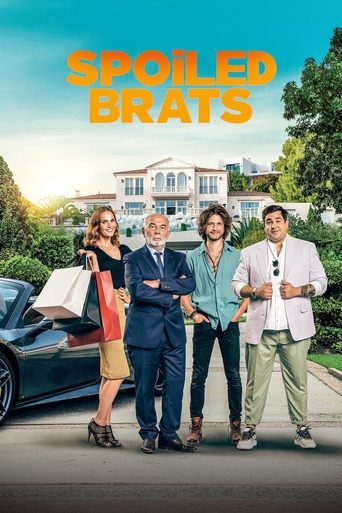
Me, Myself and Mum, from 2013, another winner of the César for best film, is a one-man marvel: Guillaume Gallienne, an actor of the national theatre, tells the story of his own boyhood and plays both himself and his formidable mother. Le Chef, with Jean Reno as a famous cook about to lose his stars, Spoiled Brats, in which a millionaire pretends to be ruined in order to teach his grown children to work, Employee of the Month, The Speech, set almost entirely inside the head of a man at a family dinner, The Grad Job, Back to Mom's, Just Retired, Among Friends, Finding Momo, Honeymoon Crasher, Forced Vacation and An Endless Wedding are lighter entertainments. Mandibles and The Piano Accident, by the eccentric Quentin Dupieux, are for those who like their comedy strange: the first concerns two friends and a housefly the size of a dog.
Jacques Demy and the musical
The Jacques Demy and the musical help page is devoted to four films by one director, which are among the treasures of the catalogue. The Umbrellas of Cherbourg, from 1964, is unlike any other film. Every word of it is sung, from "fill her up" at the garage to the last goodbye, to continuous music by Michel Legrand. Geneviève, who is seventeen and helps her mother in an umbrella shop in a port in Normandy, loves Guy, a mechanic. He is called away for two years of military service; she is expecting his child; a kind and wealthy jeweller asks for her hand.
The story is the simplest imaginable, and that is its strength. The walls of the town were repainted in pink, green, violet and orange to match the costumes, the young Catherine Deneuve became a star overnight, and the final scene, at a petrol station in the snow, is one of the most quietly devastating in cinema. It won the highest prize at the Cannes festival. Children may be surprised by the singing for five minutes; after that they forget it is unusual.
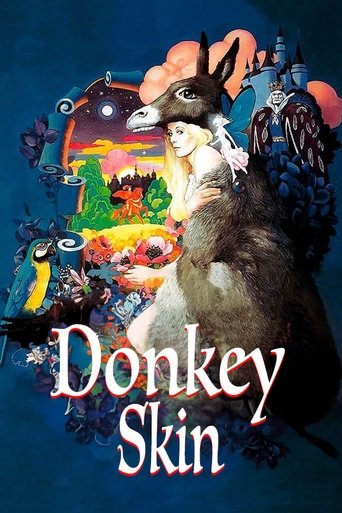
The Young Girls of Rochefort, from 1967, is its sunny companion: twin sisters, one a dancer and one a composer, played by Catherine Deneuve and her real sister Françoise Dorléac, dream of leaving their seaside town for Paris during the weekend of a fair, while their ideal men pass them in the street again and again; the American dancer Gene Kelly appears as one of them. It has the highest rating in the catalogue together with Jean de Florette. Donkey Skin, from 1970, is a fairy tale from the collection of Charles Perrault, with a princess who hides in a forest disguised as a kitchen girl, a blue-faced court, and a fairy godmother who arrives by helicopter. Lola, from 1961, the director's first film, is set in his own home town of Nantes, in black and white, and follows a dancer who is waiting for a sailor to return.
Jean de Florette and the countryside
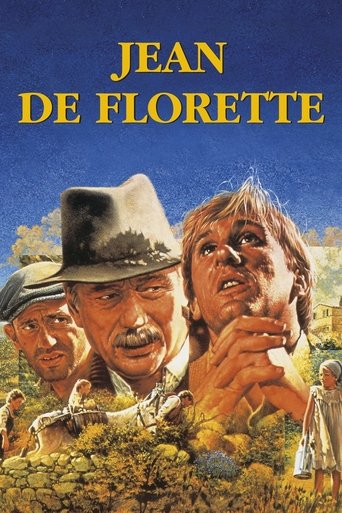
The Country and holidays genre holds 21 films, and the Country and holidays help page lists them. Jean de Florette, from 1986, is the great film of rural France. In the hills of Provence in the 1920s, an old farmer and his slow, ambitious nephew want a neighbouring property for its spring, which would let them grow carnations. When the land is inherited by a tax collector from the city, a hunchback full of books and optimism who means to raise rabbits, they block the spring with cement and wait for the dry summer to ruin him.
Gérard Depardieu plays the newcomer, carrying water for miles under the sun and still believing in his calculations; Yves Montand and Daniel Auteuil play the two schemers, who watch him and almost like him. The story comes from a novel by Marcel Pagnol, the landscape is as much a character as any of them, and the film was for many years the most expensive ever made in France. It is suitable for older children and is a fine introduction to French for anyone studying the language, since the speech is slow and clear.
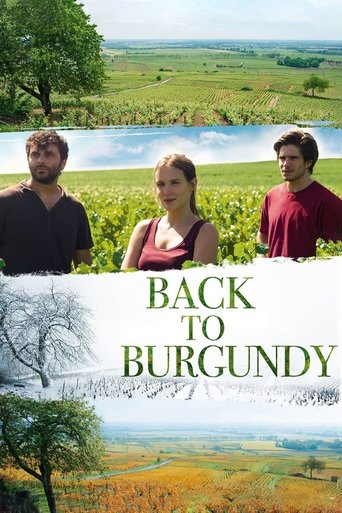
Back to Burgundy, from 2017, follows two brothers and a sister who inherit their father's vineyard and must decide, through four seasons of pruning, picking and tasting, whether to keep it. My Summer in Provence sends three city children to a grandfather they have yet to meet, played by Jean Reno, among his olive trees. The Country Doctor is about a village physician and the younger colleague who comes to help him, Shepherds, from 2024, about a copywriter from Montreal who decides to keep sheep in the Alps, and Perfumes about a chauffeur and a woman whose profession is to compose scents.
Holidays are a national subject, since nearly the whole country stops work in August. Little White Lies, from 2010, gathers a band of friends in their thirties at a house by the Atlantic, as every summer, though one of them lies in hospital in Paris; the film is long, funny and finally very moving, and it was one of the great successes of its year. The Green Ray, from 1986, directed by Éric Rohmer, follows a young secretary whose holiday plans have collapsed and who wanders from the coast to the mountains and back, lonely and hard to please, until a sunset changes her mood; it won the Golden Lion at Venice. All Hands on Deck! is a summer comedy of three young men at a campsite, and Out of Season is its opposite, a meeting of two former sweethearts at an empty seaside resort in winter.
The Spanish Apartment and its sequels
The Spanish Apartment, from 2002, is the film of a generation. Xavier, a French student of economics, goes to Barcelona for a year on a European exchange and shares a flat with six others, an Englishwoman, a German, an Italian, a Dane, a Spaniard and a Belgian. They quarrel over the refrigerator and the telephone bill, fall in and out of love, and discover that they like one another. The director, Cédric Klapisch, caught the mood of young Europeans at the moment the borders opened, and the film sent thousands of students abroad.
He returned to the same characters twice. Russian Dolls, from 2005, finds Xavier at thirty, writing for television and travelling between Paris, London and Saint Petersburg. Chinese Puzzle, from 2013, takes him to New York at forty, with children and a complicated life. Watching the three in order, as the actors grow older with their parts, is one of the particular pleasures of the catalogue. Back to Burgundy and Someone, Somewhere, about two lonely neighbours in Paris who pass each other every day, are by the same director.
Family
The Family genre holds 79 films, and the Family help page sorts them by age. Petite Maman, from 2021, is a small miracle, only seventy-two minutes long. Nelly, who is eight, goes with her parents to empty her late grandmother's house in the woods. While her mother is away she meets a girl of her own age building a hut among the trees, whose name is the same as her mother's, and whose house is the same house, twenty-five years earlier. The film asks what it would be like to know one's mother as a child, and answers with great tenderness. Children understand it at once.
In Safe Hands, from 2018, follows a baby boy from the day of his birth to the day of his adoption three months later, and each of the people who look after him on the way, the social worker, the foster father, the woman who hopes to become his mother; it is among the best-rated films here. He Even Has Your Eyes is a comedy about a couple who adopt, and whose families have opinions. The African Doctor, from a true story, follows a newly qualified doctor from Kinshasa who takes a practice in a village in northern France in 1975, where the farmers have seen few strangers, and wins them over at last with the help of his children and a football.
For younger viewers there are The Lost Prince, in which a father who tells his daughter a bedtime story every night finds himself demoted in her imagination as she grows up; The New Adventures of Aladdin; Lucky Luke, from the comic strip about the cowboy who shoots faster than his shadow; and A Mermaid in Paris. Once Upon My Mother, The Ties That Bind Us, My Brothers and I, about a boy from a housing estate who discovers opera, A Christmas Tale, The Truth, with Catherine Deneuve as a great actress and Juliette Binoche as her daughter, and Starbuck, a comedy from Quebec about a man who learns that he is the father of 533 children, are for older audiences.
Romance
The Romance genre holds 39 films, and the Romance help page chooses among them. A Man and a Woman, from 1966, is the most famous French love story. A script girl and a racing driver, both widowed, meet on Sundays at the boarding school in the seaside town of Deauville where each has a child. Claude Lelouch filmed it in three weeks, switching between colour and black and white as his money allowed, and its theme tune, with its wordless refrain, went round the world. It won the chief prize at Cannes and two Academy Awards.
Cesar and Rosalie, from 1972, is a triangle between a loud, generous scrap merchant, played by Yves Montand, the woman he loves, played by Romy Schneider, and the quiet artist who returns from her past. My Night at Maud's, from 1969, is a film of conversation: an engineer, snowed in for a night at the flat of a clever, independent woman, talks with her about chance, faith and marriage until morning. It made the name of Éric Rohmer, and it is far more entertaining than a summary suggests.
The romantic comedies are light and well made. In Priceless, a shy barman at a grand hotel is taken for a millionaire by a young woman with expensive tastes, played by Audrey Tautou. In Up for Love, a brilliant lawyer meets a charming architect who is four feet five. In Love Is in the Air, two former sweethearts find themselves in neighbouring seats on a flight from New York to Paris. Mr & Mme Adelman tells the story of a marriage across forty-five years, Quantum Love, A Faithful Man, Gemma Bovery, in which a baker in Normandy becomes convinced that his new English neighbour is living out a famous novel, Jane Austen Wrecked My Life, French Lover and Other People's Children bring the genre to the present.
Paris
The Paris genre holds 17 films, and the Paris help page maps them. The capital is the most filmed city in the world, and each director finds his own. Angel-A, from 2005, photographed in gleaming black and white, shows the bridges and quays at dawn with hardly another soul in sight, as a small-time dreamer in debt meets a very tall stranger. A Mermaid in Paris turns the river and a floating cabaret into a fairy tale. Under the Stars of Paris follows a woman who lives on the streets and a lost boy through the city by night, and Someone, Somewhere shows the ordinary northern districts where people actually live.
Cyrano, My Love, from 2018, recreates the theatres of 1897, when a young playwright with a deadline, two children and a head empty of ideas wrote, in three frantic weeks, the most popular play in the French language. La Vie de Bohème, made by a Finnish director in a Paris of bare rooms and cheap cafés, Godard Mon Amour, set during the student demonstrations of 1968, French Women, Jeune Femme and 2 Alone in Paris, a comedy in which a policeman and a thief wake to find the city empty, are others.
History and the arts
The History and the arts genre holds 42 films, and the History and the arts help page lists them by period. Delicious, from 2021, tells how, on the eve of the Revolution, a cook dismissed by a duke for daring to serve a pastry of potato and truffle opens an inn on the high road and, with a mysterious woman who asks to be his apprentice, invents something new: a place where anyone who can pay may sit down and eat well. It is, the film claims, the first restaurant, and the dishes are filmed like paintings.
Farewell, My Queen, from 2012, shows the first four days of the Revolution from inside the palace of Versailles, through the eyes of a young servant who reads aloud to the queen. That Night of Varennes follows a coach full of travellers, among them an ageing adventurer and an English pamphleteer, on the road behind the fleeing king in 1791. Return of the Hero is a comedy of the Napoleonic years, with a captain whose glorious reputation was invented by his fiancée's sister.
The lives of artists make a shelf of their own. Boléro is about the composer Maurice Ravel and the piece he came to dislike for its success. Bonnard, Pierre and Marthe is about a painter and his wife and model across fifty years. The Odyssey follows the undersea explorer Jacques Cousteau and his sons. The Mystery of Henri Pick is a literary comedy about a best-selling novel apparently written by a pizza maker in Brittany, In Her Hands about a young man who plays the piano in a railway station and the conservatory director who hears him, Marguerite's Theorem about a brilliant mathematician who finds an error in her own proof, and The Big Hit, from a true story, about an actor out of work who stages a famous play with the inmates of a prison and takes them on tour.
Adventure
The Adventure genre holds 26 films, and the Adventure help page introduces them. The French swashbuckler, the film of capes and swords, was a great popular form in the 1950s and 1960s, and two fine examples are here. The Black Tulip, from 1964, gives Alain Delon two parts, a masked bandit who robs the nobles on the eve of the Revolution and his gentle twin brother who must take his place. The Iron Mask, from 1962, has Jean Marais, the most athletic star of his day, as an ageing d'Artagnan. Fan-Fan the Tulip, from 2003, retells a famous story of a soldier of fortune, and The Legend of Frenchie King, from 1971, is a comic western with Brigitte Bardot and Claudia Cardinale as rival ranchers.
Modern adventures include The Last Mercenary, in which Jean-Claude Van Damme laughs at his own image as a retired secret agent; Michel Vaillant, from the comic strip about a family of racing drivers at Le Mans; Treasure Hunters: On the Tracks of Khufu; Lucky Luke and the Daltons; and The Crusade, in which the children of Paris secretly sell their parents' valuables to pay for a plan to save the planet. Fantasy has several odd and charming entries: The Science of Sleep and Mood Indigo, by Michel Gondry, in which dreams are built of cardboard and cellophane; Bigbug, a comedy of household robots; La Belle Verte, in which a visitor from a wiser planet looks at Paris with astonishment; and The Ice Tower.
Drama
The Drama genre holds 82 films, and the Drama help page selects the gentlest. Le Havre, from 2011, is a fable of kindness. An elderly shoeshiner in the port finds a boy from Africa hiding in the water under the quay, and the whole neighbourhood, the baker, the greengrocer, the woman who keeps the bar, joins in to help the child reach his mother in London, under the nose of a melancholy inspector. The Finnish director Aki Kaurismäki films it in his own deadpan manner, in the colours of an old postcard, and it leaves the viewer happier than almost any film here.
My Afternoons with Margueritte, from 2010, has Gérard Depardieu as a large, slow, barely lettered man of fifty who shares a park bench with a tiny old lady of ninety-five; she reads novels aloud to him, and he discovers that he loves them. Souleymane's Story, from 2024, follows a bicycle courier in Paris through the two days before the interview that will decide whether he may stay in France; it won prizes at Cannes and is gripping from first to last. Samba, by the makers of a celebrated comedy about friendship, is about a kitchen worker waiting for his papers and the executive on sick leave who tries to help him.
Peaceful, Out of Love, A Missing Part, More Than Ever, Sister, set between a ski resort high in the Swiss mountains and the tower block below it, Under the Sand, About Joan, A Woman's Life, At Work, Rosalie, Matthias & Maxime and Time Regained, a meditation on the novels of Marcel Proust, are for evenings when the household is in a thoughtful mood. To Each His Own Cinema is a curiosity: thirty-four famous directors from around the world each made a film of three minutes about the experience of sitting in a picture house.
Release year
Four lists arrange the catalogue by date, and the Release year help page describes them. Before 2000 holds 27 films, and the Before 2000 help page introduces them: the four musicals of Jacques Demy, A Man and a Woman, My Night at Maud's, the comedies of Louis de Funès, Cesar and Rosalie, French Fried Vacation 2, The Under-Gifted, Death Watch, Life Is a Bed of Roses, Jean de Florette, The Green Ray, C'est La Vie, The Visitors, Dead Tired and La Belle Verte.
The 2000s holds 18, among them The Closet, The Spanish Apartment, Russian Dolls, Angel-A, Priceless, The Science of Sleep and A Christmas Tale. The 2010s holds 53: Little White Lies, Le Havre, Starbuck, Le Chef, Me, Myself and Mum, Babysitting, Samba, The African Doctor, Back to Burgundy, In Safe Hands and Cyrano, My Love.
The 2020s is the largest list, with 57 films, and the New films help page keeps track of it: Bye Bye Morons, The Big Hit, Delicious, Petite Maman, Stuck Together, Marguerite's Theorem, Souleymane's Story, Boléro, Shepherds, The Ties That Bind Us, Jane Austen Wrecked My Life and the releases of 2026. The Ratings list gathers the 29 films rated 7 or more out of ten by viewers around the world. French comedies are marked severely abroad, where half the jokes are lost in translation, and a rating of six for one of them is perfectly respectable.
Faces and names
French cinema is a small world, and the same faces return. Christian Clavier, who began in the café-theatre troupe of French Fried Vacation 2, is the servant of The Visitors and the father of the Serial Weddings films. Jean Reno is the knight, the chef and the grandfather in Provence. Daniel Auteuil, a schoolboy cheat in 1980, is the nephew of Jean de Florette six years later and the accountant of The Closet fifteen years after that. Gérard Depardieu, the most prolific actor in the history of French film, appears in five titles.
Catherine Deneuve has been the first lady of the French screen for sixty years, from the umbrella shop of 1964 to A Christmas Tale and The Truth. Fabrice Luchini, the great talker, is the baker of Gemma Bovery, the critic of The Mystery of Henri Pick and the friend of The Best Is Yet to Come. Omar Sy leads Samba, The Lost Prince and French Lover; Romain Duris ages through the three films about Xavier; Jean Dujardin is both Lucky Luke and the reluctant hero of the Napoleonic comedy; and Virginie Efira is the heroine of Bye Bye Morons, Up for Love and Other People's Children.
Among directors, Cédric Klapisch has five films in the catalogue and Jacques Demy four. Michel Gondry, Laurent Tirard, Philippe de Chauveron and Dany Boon have three each, as does Éric Rohmer, the patient observer of how young people talk themselves into and out of love. Several directors from elsewhere chose to work in French: Aki Kaurismäki of Finland, Hirokazu Kore-eda of Japan, Ettore Scola of Italy and Raúl Ruiz of Chile.
At table
One subject runs through French films of every kind, and that is the meal. A French comedy will sooner or later put its characters round a table, at a wedding, a Sunday lunch, a holiday dinner on a terrace, and let the conversation do its work. The Speech takes place almost wholly during one family dinner. Little White Lies is a film of long suppers by the sea. Le Chef and Delicious are about the making of food, Back to Burgundy about the making of wine, and The Visitors has a celebrated scene in which two men of the twelfth century meet a modern dinner party.
Watching, one learns the order of things: the drink before the meal, the starter, the main dish, the cheese before the pudding, the coffee after; bread on the tablecloth, beside the plate; and the rule that serious matters wait until everyone is served. Families who enjoy cooking may like to follow a film with a dish from it, and potatoes baked with cream, a tart of apples, or a simple omelette are within anyone's reach.
Learning French from films
Many visitors come to French films because they are learning the language, and the catalogue serves them well. Choose films with clear, unhurried speech to begin with: Jean de Florette, My Afternoons with Margueritte, Petite Maman and the musicals of Jacques Demy, where every line is sung slowly enough to follow. Watch first with subtitles in your own language, then again with French subtitles, which most official services provide.
The comedies are harder, since they are fast and full of slang, but they teach the French that people actually speak. The Spanish Apartment is a favourite of teachers because its characters themselves are learning languages and make the mistakes that students make. A notebook of ten expressions from each film, said aloud, is worth a week of grammar.
Prizes and festivals
France takes its film prizes seriously, and they are a useful guide. The Césars, awarded in Paris each winter by the members of the profession, are the national equivalent of the Academy Awards. Me, Myself and Mum and Bye Bye Morons won the César for best film, Jean de Florette brought Daniel Auteuil the César for best actor, and In Safe Hands was nominated in seven categories in its year, a rare tribute to a quiet film about the care of a child.
The festival at Cannes, held every May on the Mediterranean coast, is the most famous in the world, and its chief prize went to The Umbrellas of Cherbourg in 1964 and to A Man and a Woman in 1966. The Green Ray won the highest award at Venice, and Le Havre received the prize that French critics give each year to the best film made in the country. A prize is a promise of quality more than of entertainment, and the popular comedies seldom win them; the surest way to choose for a family evening is still the short description on each title page, and the rating beside it.
A last piece of advice concerns the sound. French films are sometimes offered in a dubbed version, and for a comedy with small children that may be the practical choice. Wherever possible, though, keep the original voices: the gravel of Jean Gabin, the machine-gun delivery of Louis de Funès and the melancholy of Yves Montand are a large part of what these films are.
Finding a film
The Finding titles help page explains the several ways to find a film on 321Movies. The search box in the header accepts a title and shows matching films as you type. Films are listed under their English titles, and the page of each gives its original French title and its other names; the search recognises those too, which is useful, since many admirers know a film only by its French name.
The side menu on the home page lists each genre and each period with its number of films, the A-Z page lists all 155 alphabetically with their years, and the Movies page lists them by popularity. Titles that keep their French form, such as Le Havre, Le Chef, La Belle Verte and La Vie de Bohème, are filed under the second word, and the two Lucky Luke films, the two Babysitting films and the two Alibi.com films each sit together.
What a title page shows
The page for each film is arranged in one way. The poster comes first, with the title in English and French, the year, the running time and the average rating. A short account of the story follows, with the genres, the director and the leading actors, and a row of related films from the same genres. The Watch now button opens the list of official services that offer the film in the country you choose.
French films are increasingly well served by official services. The large streaming services buy the popular comedies for the whole world and have produced several of the newest titles themselves; services devoted to European and classic cinema carry the older films, many in new restorations; and the French public broadcaster and the national film institute make a selection available with subtitles abroad. Viewers in Canada, Belgium, Switzerland and North Africa, where French is widely spoken, will find the lists especially full. Because the offers change from month to month, the list on each title page is the place to look.
The Add to My List button on each page puts a film by for a later evening. The list is saved in the browser of your own device, with neither an account nor a password, and it opens from the My List link in the header. The My List help page describes how to remove a film and how to take the list to another device.
A first month
Here is a plan for a household new to French films, two evenings a week. In the first week, watch The Visitors and The Umbrellas of Cherbourg. In the second, Jean de Florette and Babysitting. In the third, The Spanish Apartment and Petite Maman, which together run for under three hours. In the fourth, Bye Bye Morons and Le Havre.
After that, follow your taste: for laughter, The Closet, French Fried Vacation 2 and Me, Myself and Mum; for romance, A Man and a Woman, Priceless and Cyrano, My Love; for the countryside, Back to Burgundy and My Summer in Provence; for children, The Lost Prince, Donkey Skin and Lucky Luke; and for an evening with something to think about, In Safe Hands, The Big Hit or My Night at Maud's.
How the films were chosen
Every title on 321Movies was considered by a person before it was admitted. The selection keeps to comedies, family stories, romances, musicals, adventures and gentle dramas; films built on crime, horror, war or adult themes were set aside, however celebrated, and that excludes a good many famous French films, which have guides of their own elsewhere. Some of the comedies are broad, and some of the dramas deal with illness or loss, as family films do everywhere; the page of each film describes its story plainly so that parents can judge.
321Movies is a guide. It keeps neither films nor files to download; every Watch now button opens an official, licensed service, so that the people who made these films are paid when you watch.
Questions and answers
Questions
What is 321Movies?
321Movies is a guide to 155 French films chosen for the whole household. Each film has a page with its story, year, running time, director and cast, and a Watch now button that leads to the official services carrying it in your country.
Which film should I watch first?
Start with The Visitors, The Umbrellas of Cherbourg or Jean de Florette. The first-month plan in the guide suggests an order.
Is the catalogue suitable for families?
Yes. Every film was screened by hand, and the selection keeps to comedies, family stories, romances, musicals, adventures and gentle dramas.
Are the films available with English subtitles?
Most official services offer English subtitles and often several other languages. The services listed on each title page show what they provide.
How many comedies are listed?
There are 114, from the classics of Louis de Funès to Babysitting and Bye Bye Morons.
Can I search by the French title?
Yes. The search box recognises the original French title of every film as well as its English name.
How does My List work?
Press Add to My List on the page of any film. The list is kept by your own browser, free of charge, and the My List link in the header opens it.
Does 321Movies host films or downloads?
321Movies is a guide only. Every Watch now button leads to an official, licensed service.